Your Couples Beach Photoshoot Planning Guide
A great beach photo rarely starts with a perfect pose. It starts with a plan that gives you room to relax, enjoy each other, and let the setting do its job. This couples beach photoshoot planning guide covers the details that make a real difference for sessions in Naples and Marco Island, from choosing the right light to wearing clothes that move naturally in the coastal breeze.
Whether you are celebrating an anniversary, planning a proposal, taking photos on vacation, or simply wanting images that feel like the two of you, the goal is the same: photographs that look natural, flattering, and true to your time together.
Choose a Time That Works With Beach Light
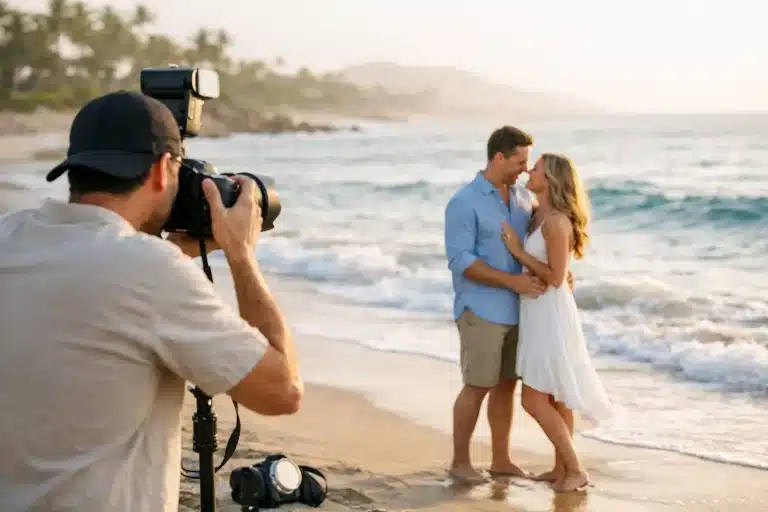
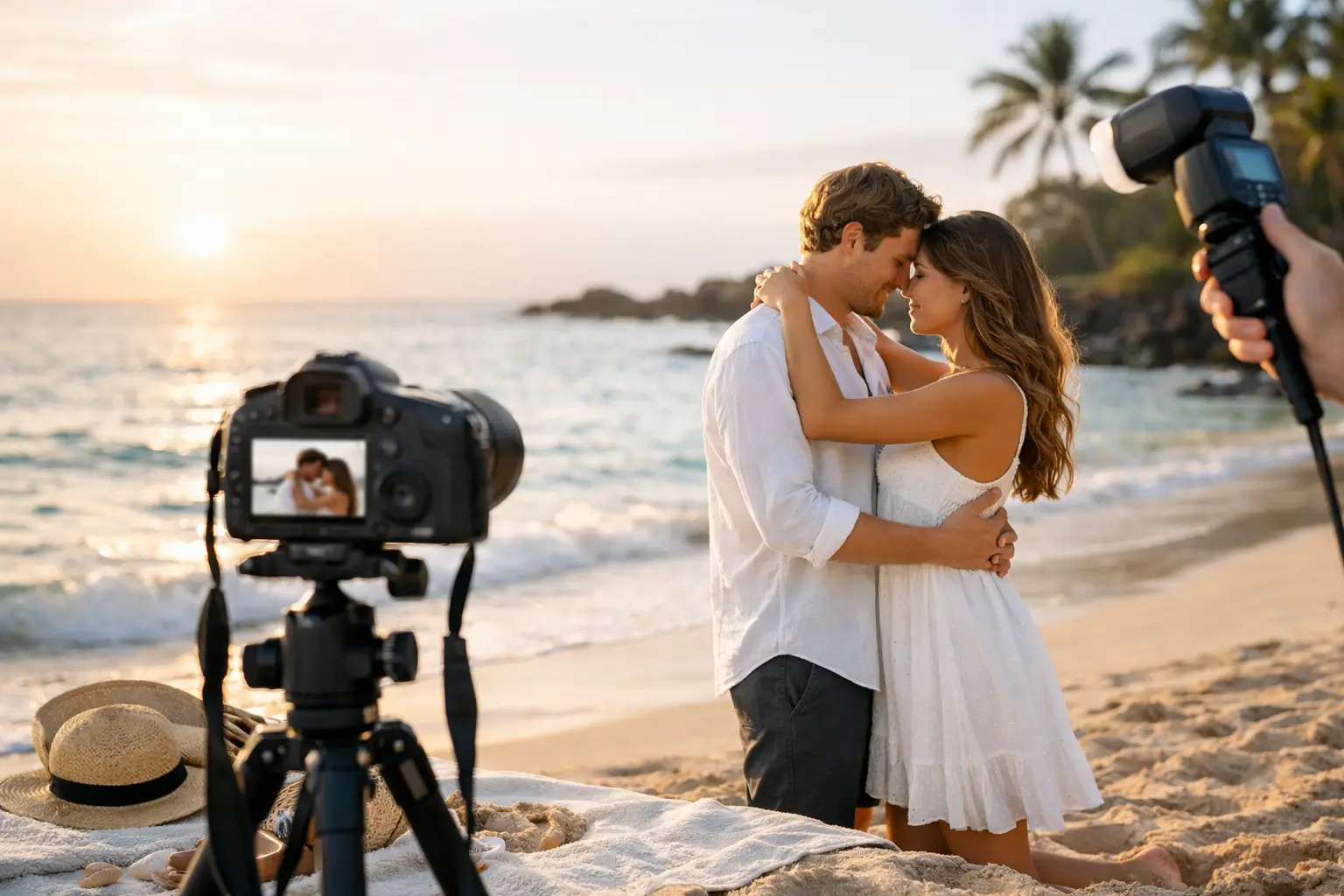
For most couples, the best time for a beach session is close to sunset. The bright Florida sun has softened, the temperature is usually more comfortable, and the light is warm without being harsh. This is also when the water, sand, and sky tend to photograph beautifully together.
Sunset is popular for good reason, but it is not the only option. Early morning can be a smart choice if you prefer a quieter beach, have dinner plans later, or are visiting during a busy travel week. Morning light is soft and clean, although it has a different feel than the warmer tones of late afternoon.
Midday sessions can work when schedules leave little flexibility, especially on an overcast day or in locations with shade nearby. Still, bright overhead light often creates more squinting and stronger shadows. If your schedule allows, choosing morning or late afternoon gives your photographer more flattering light to work with from the start.
Pick a Beach Location for More Than the View
Naples and Marco Island offer beautiful shoreline, but not every beach access is equally practical for every couple. Parking, walking distance, crowd levels, boardwalks, tide conditions, and your comfort with sand all matter.
If you are staying in a resort or rental, consider how much travel and preparation you want before the session. A location near your accommodations can make the experience easier, particularly if you are getting ready in formal clothes or coordinating a proposal. On the other hand, a slightly less convenient beach may offer more open shoreline or fewer people in the background.
It also helps to think about the kind of images you want. Wide, open beaches create a classic Southwest Florida look with sky and water behind you. Areas with sea oats, dune walkways, palms, or a distant pier can add variety without making the photos feel overly staged. A local beach photographer can recommend a location based on the season, the time of day, and how much walking is comfortable for you.
What to Wear for a Couples Beach Photoshoot
Beach outfits should feel polished but not overly formal. You want clothes that photograph well in motion, feel comfortable in the humidity, and still look like something you would naturally wear together.
Soft neutrals and muted colors are especially dependable near sand and water. Think cream, tan, soft blue, sage, dusty rose, light gray, or pale coral. These shades complement the beach instead of competing with it. If one person wears a pattern, keep the other outfit simpler so your clothing feels coordinated rather than matched exactly.
Flowing dresses, linen shirts, cotton button-downs, relaxed skirts, and chinos tend to work well. A dress with movement can look especially beautiful when there is a light breeze. For footwear, many couples go barefoot once they reach the sand. If you prefer shoes, choose simple sandals that are easy to remove and comfortable to walk in.
Try on your outfits together before the session. Check that colors work side by side and that you can comfortably sit, walk, hug, and move in everything you choose. Clothing that needs constant adjusting will pull your attention away from the experience.
Bring only a few essentials: a small towel for sandy feet, water, bug spray if needed, a hair tie for windy conditions, and comfortable sandals for the walk to the beach. If you plan to change outfits, choose something simple and allow extra time.
Build in Time for Hair, Makeup, and Travel
A relaxed session begins before you arrive at the beach. Plan to be ready 20 to 30 minutes before your scheduled start time, especially if you are unfamiliar with the area. Parking can take longer during season, and a beach walk feels very different when you are carrying bags, adjusting clothes, and watching the clock.
For hair and makeup, the beach calls for a slightly softer approach than an indoor event. Humidity and wind are part of the setting, so styles that can move naturally are often more comfortable than anything too structured. A little extra hold product can help, but it is better to expect a few windblown strands than to spend the entire session trying to keep every hair in place.
If you are booking professional hair or makeup, schedule it early enough that you are not rushing from the appointment to the beach. Give yourself time to eat, hydrate, and make the drive calmly.
Plan for Wind, Tides, and Florida Weather
Weather is one of the reasons beach photography benefits from local experience. A forecast may show sunshine, while the shoreline has a steady wind, passing clouds, or an incoming tide that changes where you can comfortably stand. None of these automatically ruin a session. In fact, clouds can soften the light, and a gentle breeze often adds movement to dresses and hair.
The key is flexibility. If weather looks uncertain, stay in touch with your photographer rather than making a last-minute decision based only on an app. Conditions can change quickly along the coast, and an experienced photographer can help determine whether to shift the start time, choose a different location, or reschedule if necessary.
Tides matter as well, particularly if you want photos close to the water. Higher water can reduce the amount of firm, open sand available. Lower tide may create wider shoreline and shallow reflections. Your photographer can plan around the conditions, but it helps to mention if walking through softer sand or getting close to the water is not ideal for either of you.
Keep the Session Focused on Connection
You do not need to know how to pose. Most couples feel a little awkward for the first few minutes, especially if they are not used to being photographed. That is completely normal. A good session uses simple direction so you always know what to do without feeling stiff or overly posed.
Expect a mix of looking at the camera and interacting with each other. You may be asked to walk slowly, hold hands, lean in, tell each other something funny, or pause and watch the water. Those small movements create natural expressions and give your hands somewhere to go.
The most successful photos usually come when you stop trying to perform for the camera. Focus on your partner. Take a breath. Let the occasional laugh, windblown hair, or bare feet in the sand be part of the story rather than a problem to fix.
Add a Personal Reason for the Photos
A couples session does not need a major occasion, but sharing the reason behind it helps shape the experience. An anniversary might call for a little extra time for portraits with the sunset. A proposal requires a more discreet plan, including where each person should stand and how the photographer can be in place without giving away the surprise.
For a vacation session, consider whether you want to remember the trip as it really felt. That may mean arriving in outfits that are a step above everyday clothes but still comfortable enough to walk the shoreline. If you are celebrating a wedding anniversary, engagement, or recent move to Florida, mention it. The details do not need to be written on a sign to matter. They can guide the pace and feeling of the photographs.
At Mark Block Photography, the focus is on calm guidance and natural moments, with local planning support that helps couples enjoy the beach instead of managing logistics during their session.
Give Yourselves a Little Extra Time Afterward
Avoid scheduling a tight dinner reservation or a long drive immediately after your photoshoot. You may want a few minutes to brush off sand, change shoes, or simply enjoy the sunset once the camera is put away. If you are planning a romantic dinner, leave enough time to get back, freshen up, and arrive without rushing.
The best beach portraits are not about looking perfect in every frame. They are about remembering the warmth, the water, the person beside you, and the feeling of being together somewhere beautiful. Plan the practical details, then give yourselves permission to enjoy the evening.