True to Life Photo Editing Style for Beach Portraits
A beach portrait should still feel like your family, your relationship, and your vacation when you look back on it years from now. That is the heart of a true to life photo editing style. It preserves the warmth of a Naples sunset, the soft blue-green water near Marco Island, and the expressions that made the moment worth photographing in the first place – without turning the final images into something overly filtered or unfamiliar.
For families traveling with young children, grandparents, or a full multi-generational group, natural editing is more than a visual preference. It means the people in the photos look like themselves, just photographed in beautiful light on a meaningful day.
Choose Your Beach Portrait Session


What True to Life Photo Editing Really Means
True to life editing is not the same as leaving a photo untouched. Beach light can be bright, reflective, and fast-changing. Sand bounces light upward, the sky can shift from clear blue to soft pastels, and a passing cloud can change the exposure in seconds. Professional editing brings those elements into balance while keeping the scene believable.
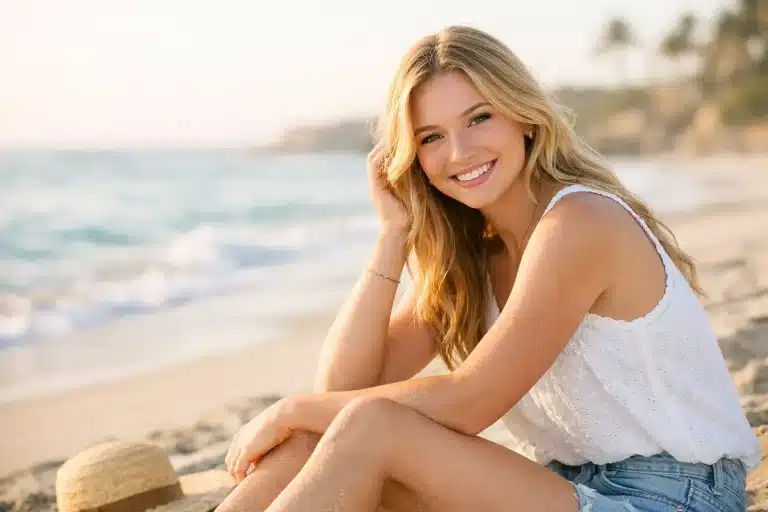
The goal is a polished image with natural skin tones, realistic color, and enough detail to feel clear and finished. The ocean should look like the ocean you remember. A sunset should feel warm without becoming bright orange. Skin should look healthy without being smoothed until it loses texture and character.
This style is especially fitting for portraits because the people matter more than a passing editing trend. Your images are meant to be printed, shared with family, and enjoyed long after this year’s vacation is over.
How a True to Life Photo Editing Style Shapes Your Images
Natural color that reflects the location
Southwest Florida has its own palette. Depending on the season, time of day, weather, and beach conditions, you may see pale sand, sea grass, turquoise water, soft gray-blue skies, or a glowing golden horizon. Editing should bring out those colors without pushing every session toward the exact same look.
That last part matters. A cloudy evening on Marco Island should not be edited to look like a cloudless summer sunset. Both can be beautiful, and both should feel honest to the experience you had. A natural editing approach respects the conditions rather than trying to force a mood that was not there.
Flattering skin tones without heavy retouching
Beach portraits call for careful attention to skin tones. Direct sun, reflected light from the sand, and changing shade can all affect color from one frame to the next. Editing can gently correct those shifts so everyone looks consistent and comfortable in the final gallery.
Small temporary distractions can also be softened when appropriate, such as a stray blemish, redness, or a small scratch from a busy day at the beach. Heavy retouching is a different choice. Removing every line, changing body shape, or airbrushing away natural texture can make a portrait feel less personal. For most families and couples, the better result is recognizable, rested, and flattering – not artificially perfected.
Detail where it adds value
Professional editing also helps retain the details that make a beach image feel dimensional. That may mean recovering subtle cloud texture, balancing shadows under a hat, bringing gentle definition to a white outfit, or making sure a sunset does not lose its color in a bright area of the frame.
More detail is not always better, though. Over-sharpening can make skin and sand look harsh. Pushing contrast too far can turn a soft, peaceful evening into an image with heavy shadows. The right amount depends on the light and the moment. A playful family session may benefit from clean, bright color, while a quiet anniversary session near sunset may call for a softer finish.
Natural Editing Starts Before the Session
Editing helps, but the best foundation is created in camera. Location knowledge, timing, posing, and communication all affect how natural your final portraits look.
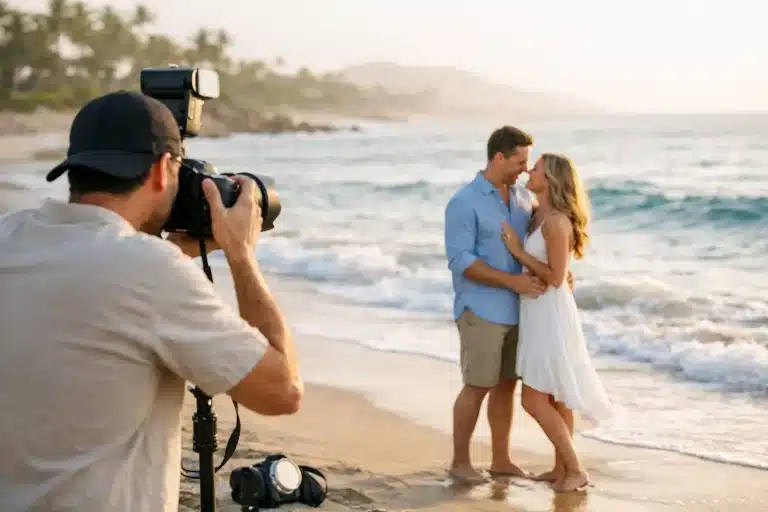
At Mark Block Photography, beach sessions are planned around the light and practical conditions of the day. This includes thinking through sunset timing, tide levels, beach access, walking distances, and the needs of your group. A family with toddlers may need a different plan than a couple celebrating an engagement, and grandparents may appreciate a location with easier access and less walking on soft sand.
Good direction during the session matters, too. Natural-looking photos rarely come from simply telling everyone to stand still and smile for an hour. A photographer can guide where to look, where to place hands, and how to stand together while leaving room for movement, conversation, and real reactions. Those relaxed moments make editing easier because the image already feels genuine.
Why This Style Works So Well for Beach Portraits
A beach gives you plenty of visual drama on its own. There is no need to cover it with extreme color effects, dark presets, or dramatic skin retouching. The coastline, changing light, and connection between the people in the frame already provide what the image needs.
True to life editing also helps your gallery feel consistent. When you order prints, create an album, or frame a few favorites at home, the images work together because they share the same natural color and polished finish. You can remember the whole evening as it felt, rather than seeing one image that is very warm, another that is very cool, and another that looks heavily stylized.
For senior portraits, that consistency lets personality come through. For couples, it keeps the focus on the connection rather than an effect. For families, it means parents can feel confident that every age group will look cared for, from energetic little ones to grandparents who may not love having their photo taken.
What You Can Do to Support Natural-Looking Results
Clothing choices have a noticeable effect on true-to-life images. Soft neutrals, gentle blues, muted greens, and colors that complement the coast tend to photograph beautifully. You do not need everyone in matching outfits, but coordinating tones helps the group look connected without feeling overly formal. Very bright neon shades can reflect onto skin, while large logos and busy patterns can pull attention away from faces.
It is also helpful to arrive with a little flexibility. Beach weather changes, and the best light sometimes arrives later than expected. Wind can add movement to dresses and hair, clouds can create soft flattering light, and a slightly different spot on the beach may offer better conditions that evening. An experienced local photographer will help make those adjustments without making the process feel complicated.
Most of all, focus on being present with your people. Children do not have to perform perfectly for every image to be meaningful. Couples do not need to know how to pose before they arrive. A few guided prompts, a comfortable pace, and permission to enjoy the setting can create the relaxed expressions that no editing software can manufacture.
Choosing a Style You Will Still Love Later
Photo editing trends come and go quickly. A dramatic filter may feel exciting now, but family portraits usually have a longer job to do. They become part of your home, your holiday cards, your graduation memories, and the collection your children may someday look through themselves.
That does not mean every photo needs to be plain or neutral. A true-to-life style can still be warm, colorful, and artistic. It simply keeps the editing in service of the image rather than making the edit the main thing people notice.
When you choose portraits on the Naples or Marco Island coast, you are choosing a place with real color, real light, and a story that is already yours. The best final images let those details remain clear: the breeze, the sand between bare feet, the person beside you, and the evening you made time to remember.