Naples Portrait Permit Guide for Beach Photos
A beautiful Naples beach portrait can look effortless in the final gallery, but the planning behind it matters. The right beach, a workable access point, cooperative light, and a clear understanding of photography rules all help protect the relaxed experience you came for. This Naples portrait permit guide explains what families, couples, seniors, and celebration groups should know before scheduling outdoor photos in Southwest Florida.
Permit requirements are not one-size-fits-all. They can change based on who manages the property, whether the session is considered commercial photography, the size of the group, the equipment being used, and whether an event setup is involved. A little advance planning helps avoid arriving at a beautiful beach only to find that photography, parking, access, or a planned setup is restricted.
Why beach portrait permits can be confusing
Naples has a mix of city beaches, county-managed areas, state park property, private communities, hotels, and preserves. These places can feel connected when you are walking along the sand, but they may operate under very different rules.
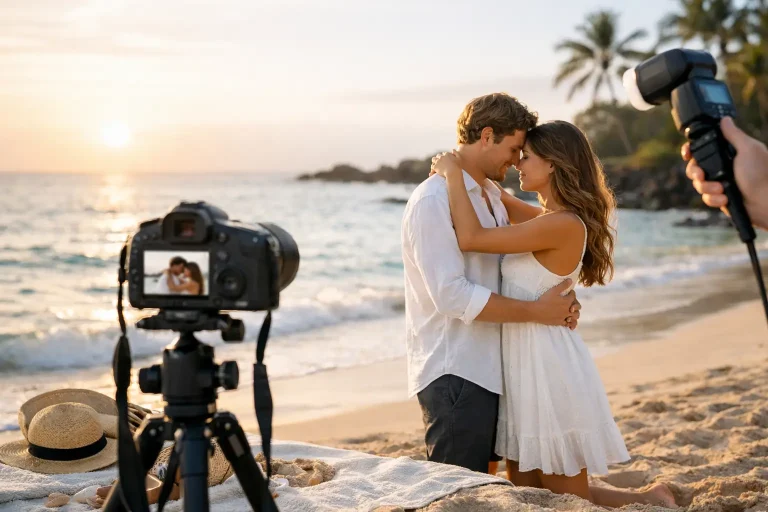
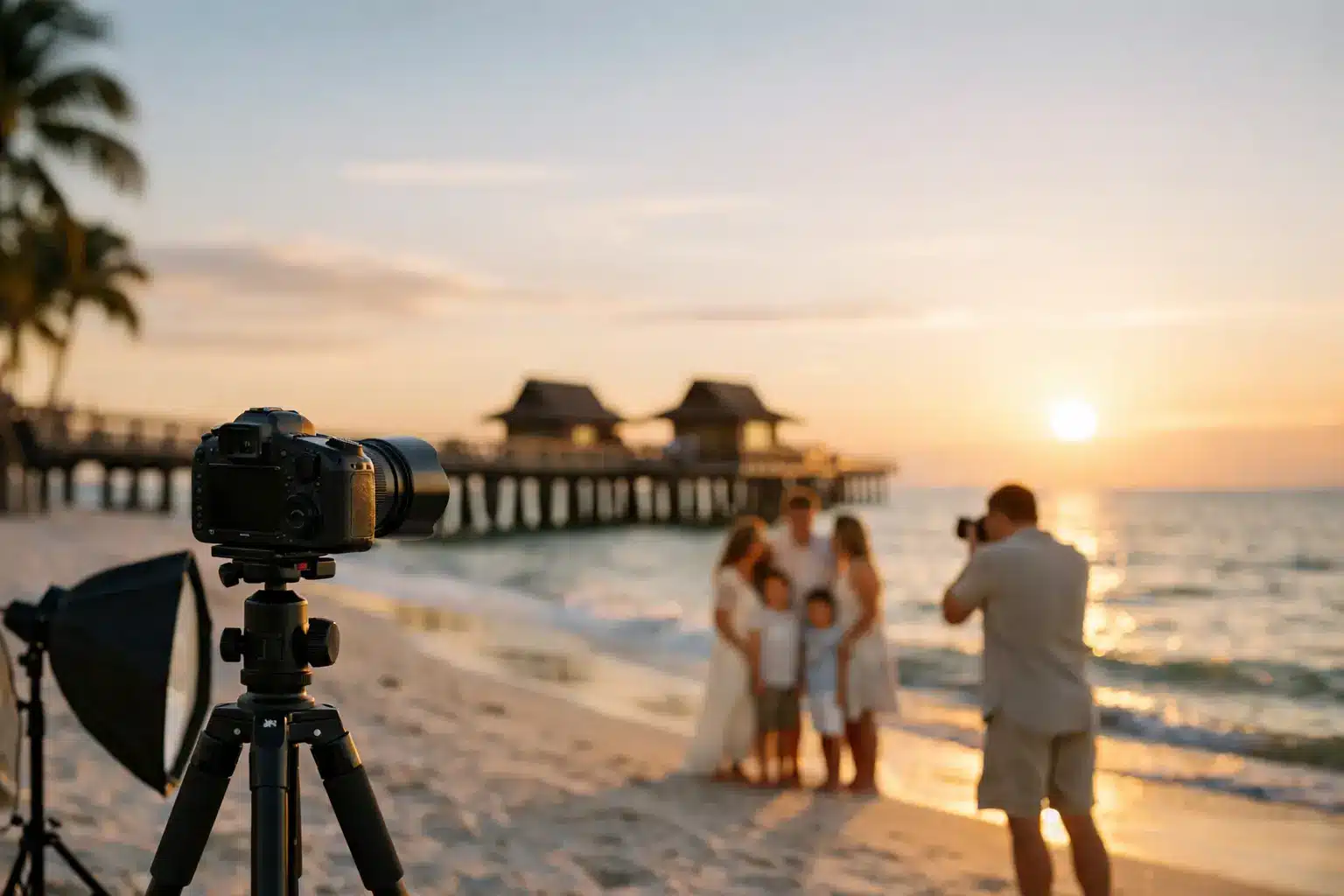
For example, a simple family session with a photographer and a camera may be treated differently than a proposal with an arch, chairs, flowers, lighting, or a larger group of guests. A senior session using only natural light may have fewer logistical concerns than a multi-generational gathering with grandparents, young children, multiple cars, and several assistants.
That is why it is best not to rely on a friend’s past experience or a social media post from a few years ago. Rules, beach conditions, construction, seasonal closures, and permitting procedures can change. The managing agency for the exact location is always the final authority.
Start with the location, not the photo idea
Before choosing a date or planning outfits, decide what kind of setting best fits your group. Naples offers wide open Gulf views, quieter natural stretches, landscaped paths near beach access points, and locations with a more polished resort-area feel. Marco Island has its own character and its own local considerations.
The most visually appealing location is not always the easiest choice for every group. If you are traveling with toddlers, a stroller, someone with limited mobility, or grandparents who would rather not walk far through soft sand, parking and beach access may matter more than finding the most secluded stretch of shoreline. Sunset is lovely, but it is also the busiest and can make parking more challenging during peak travel periods.
A local photographer can help match the location to the group rather than sending everyone to the same beach. At Mark Block Photography, that local planning is part of making the session feel easy instead of rushed.
Public beach does not always mean unrestricted use
A public shoreline may still have rules about professional or commercial photography. The beach may allow normal visitor use while requiring photographers to obtain a permit, carry insurance, pay a fee, use a designated area, or follow specific hours. Some properties limit tripods, light stands, drones, props, signage, or any setup that affects public access.
Private property is another separate issue. A hotel beach entrance, condominium grounds, private club, or neighborhood access point may require permission even when the sand itself appears open. Never assume that entering through a private property is allowed because you see others doing it.
For a straightforward portrait session, the best approach is to select a location with rules that fit the plan and to confirm those details well before the session date.
What usually affects portrait permit requirements
Every agency sets its own policy, but these are the details that commonly determine whether a permit, approval, or additional coordination may be needed:
- The exact beach or park and the agency that manages it
- Whether the photographer is working professionally or the session is considered commercial
- Group size, including guests who are not being photographed
- Equipment such as light stands, reflectors, backdrops, tripods, or drones
- Event elements such as arches, chairs, florals, champagne, music, signs, or a ceremony setup
- The day and time, especially holidays, high-traffic weekends, and sunset hours
A standard family, couple, or senior portrait session is generally much simpler to plan than an event-style shoot. Still, simple does not mean automatic. Confirming the current policy is the responsible step.
Proposals and celebrations need extra thought
A proposal may involve only two people and a photographer, or it may include family waiting nearby, a floral setup, candles, letters in the sand, and a post-proposal celebration. Those are very different situations from a permitting standpoint.
If you are planning a surprise, share the full plan early. A photographer can help think through where everyone will stand, how to keep the moment private without blocking beachgoers, and whether your preferred setup is practical for the location. Wind is also a real factor on the Gulf. Lightweight signs, loose florals, balloons, and candles can become more stressful than special when the breeze picks up.
How to plan without last-minute surprises
The simplest path is to choose the intended location first, then verify its current photography and event rules with the managing authority. If a permit is required, ask what is needed, how far ahead to apply, whether insurance documentation is required, and whether the approval must be available during the session.
Be clear about the session itself. Describe the number of people, the date and approximate time, the type of photography, and any equipment or props. If you plan to bring something beyond towels and outfits, mention it. It is much better to receive a clear answer upfront than to find out later that a planned arch or group setup is not permitted.
Do not wait until the week of your vacation if your session includes an event setup or a large group. Permit processing can take time, and alternate locations may be limited during busy seasons. A flexible date window gives everyone more options if weather, beach conditions, or location policies require an adjustment.
Beach access, parking, and tide matter too
A permit only addresses one part of the experience. The logistics of getting your group onto the beach can have a major effect on how the session feels.
For families, arrive early enough to park, use the restroom, apply sunscreen, and walk in without hurrying. Give young children a few minutes to see the water and settle into the setting. For larger groups, choose one meeting point and make sure everyone understands that sunset light moves quickly. A late arrival can shorten the most flattering part of the session.
Tides and recent weather also change the look and usable space on the beach. A higher tide can leave less dry sand, while wind can affect hair, dresses, and comfort. None of these conditions mean portraits cannot be beautiful. They simply influence where the session begins, how everyone is posed, and whether a more protected location makes sense.
A good beach session should have room for a backup plan. Light rain may pass quickly, but lightning, strong storms, unsafe surf, or beach closures call for a different time or location. Flexibility is part of coastal photography, especially in Florida.
Respect the beach while you are there
The best portraits feel natural because the people in them are comfortable and the setting is treated with care. Stay clear of protected dunes and vegetation, use established access paths, and avoid leaving anything behind. Do not move nesting markers, disturb wildlife, or create setups that interfere with other visitors enjoying the beach.
This is especially important for large family groups. Keep bags and personal items compact, avoid spreading across narrow access areas, and let other beachgoers pass easily. A calm, courteous approach helps everyone enjoy the space and keeps the focus where it belongs: your people, your connection, and the Gulf behind you.
When you plan early, choose a location that fits your group, and confirm the rules for the exact beach, permits become a manageable detail rather than a vacation-day problem. Then you can step onto the sand knowing the practical pieces are handled and simply enjoy the time together.