Do Beach Photos Need Permits in Naples, Florida?
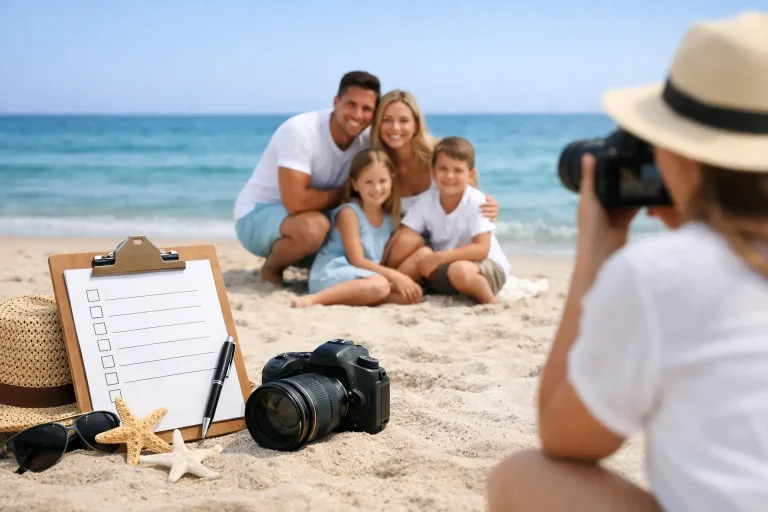
A sunset family session can look wonderfully simple: bare feet in the sand, a few minutes of play with the kids, and the Gulf behind you. The planning is usually simple, too, but one question deserves an answer before everyone coordinates outfits: do beach photos need permits?
Sometimes, yes. A beach may be open to the public, but professional photography can still be treated differently from a visitor taking a few phone photos. Rules vary by the specific beach, the agency that manages it, the type of session, and whether the photographer is being paid to work there.
For families, couples, seniors, and celebration groups visiting Naples or Marco Island, the good news is that permit questions are manageable when they are addressed early. An experienced local photographer should help make the process clear so you can stay focused on the people and the memories, not beach paperwork.
Do Beach Photos Need Permits? It Depends on the Location
There is no single Florida rule that covers every shoreline. Public beach access points, city parks, county-managed areas, state parks, private communities, resorts, and protected natural areas may all have different policies.
A casual family snapshot usually does not require permission. A paid portrait session is different. Cities and land managers may classify it as commercial photography, especially when a photographer brings professional equipment, directs a group, or conducts sessions there regularly. In those cases, the photographer may need a permit, business registration, proof of insurance, or written authorization.
That does not mean every professional session on every Naples-area beach requires a separate permit. It means the answer must be tied to the exact location and current local rules. Policies can change with seasonal crowding, beach restoration work, turtle nesting protections, special events, or updated park regulations.
Why a Public Beach Is Not Always a Free-For-All
It is easy to assume that public access means any activity is allowed. Public beaches are shared spaces, and the agencies that manage them have to balance visitor access, safety, environmental protection, and local businesses.
Permits help managers prevent large productions from blocking walkways or gathering areas. They can also limit equipment, protect dunes and sea oats, and keep commercial activity from interfering with other beachgoers. For a standard portrait session, these concerns are usually easy to respect. The key is choosing a photographer who understands how to work lightly and courteously in a busy coastal setting.
A relaxed beach session rarely needs a major setup. Natural light, a good stretch of shoreline, and thoughtful direction generally create better portraits than a pile of gear. Keeping the footprint small is good for the beach and helps the experience feel natural for your family.
Naples and Marco Island Have Different Considerations
Naples and Marco Island are close enough to share the same beautiful Gulf light, but they are not one interchangeable location. A rule at one beach access point may not apply at another. Some areas have parking limitations, some have restricted areas near dunes or wildlife, and some are managed by a city, county, park system, or private association.
Private communities and resorts deserve particular attention. Even if the sand appears open, access rules may apply to vendors, guests, parking, and photography. A permit from a public agency does not automatically grant access to private property.
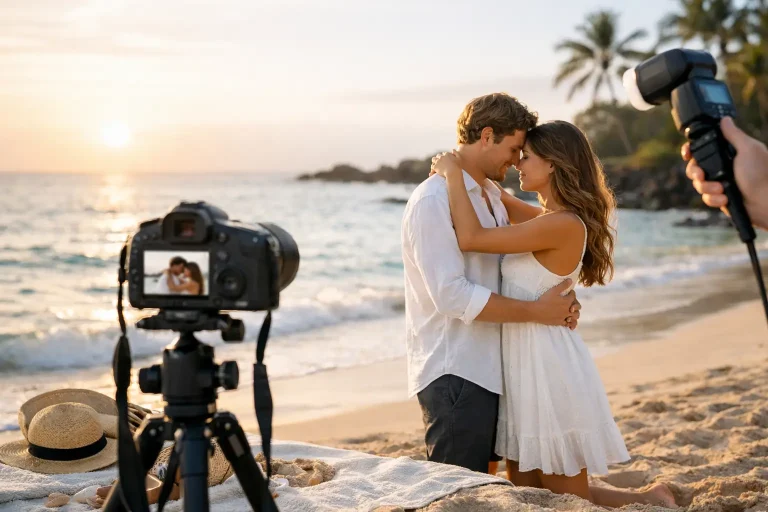
For this reason, location selection should happen before a session is finalized, especially for a large family group, an engagement, a proposal, or a milestone celebration. A local photographer can recommend a setting that fits your group, mobility needs, desired background, and the practical rules of the day.
Who Usually Handles the Permit?
For a typical professional portrait session, the photographer should be the person who checks the requirements and handles any photography-related permit process. They know the type of work being performed, their equipment needs, and whether business credentials or insurance documentation are required.
Clients may need to help in a few situations. If you are staying at a resort or vacation rental with controlled beach access, you may need to confirm guest access or arrange entry. If your group plans to use a private clubhouse, dock, boat, or community amenity, permission may need to come from the property manager. A wedding, proposal with a large setup, or event with chairs and decor can also involve additional approvals.
Before booking, it is reasonable to ask a photographer whether the proposed location has any permit, access, or timing considerations. A clear answer builds trust. You should not be left wondering whether your session will be interrupted after everyone has arrived dressed and ready.
At Mark Block Photography, local location knowledge is part of making beach portraits feel easy. That includes considering the practical side of a session, from parking and walk distance to light, tides, weather, and location-specific guidelines.
Situations More Likely to Need Extra Permission
A quiet sunset session with one family is very different from a styled commercial shoot or a beach wedding. The more an activity affects the space, the more likely it is to trigger additional rules.
Extra permission is more likely when a session includes four or more of the following elements:
- A large group, wedding party, or multiple vendors
- Arches, chairs, tables, signs, florals, or other event decor
- Lighting stands, large backdrops, changing tents, or substantial equipment
- Exclusive use of a particular area or a request to reserve space
- A drone, which has separate aviation, safety, and local restrictions
- Filming for advertising, a brand, or a commercial campaign
Even a small session can require additional care if it takes place near protected dunes, nesting areas, boardwalks, or wildlife habitat. Never step on dunes or move sea oats for a better angle. Those natural features are part of what keeps Southwest Florida’s shoreline healthy, and there are plenty of beautiful ways to photograph around them.
Plan Early, But Do Not Overcomplicate It
The best time to discuss permits is when you are choosing your date and beach. This is especially true during busy travel periods, holiday weeks, spring break, and peak sunset season. Some approvals take time, and certain locations may have restrictions during special events or maintenance projects.
You do not need to become an expert in local regulations before planning portraits. You do need enough time for your photographer to confirm the right details. Share the size of your group, whether anyone has mobility concerns, the type of occasion, and any plans beyond a normal portrait session. That information helps identify the right beach and avoids last-minute surprises.
It also helps to stay flexible. Weather can change quickly along the Gulf, and the best session plan has a practical backup option. A slightly different access point, an earlier meeting time, or a nearby sheltered location can protect your experience if wind, rain, or beach conditions shift.
Questions to Ask Before Your Beach Session
A short conversation can prevent most permit-related problems. Ask whether the selected location allows professional portrait photography, whether the photographer manages any required permits, and whether there are restrictions on props, pets, drones, or group size.
Also ask about parking and walking distance. This is not technically a permit issue, but it matters a great deal when grandparents, young children, formal clothing, or a multi-generational group are involved. The prettiest beach is not always the best choice if it creates a difficult walk or a rushed arrival.
For proposals and surprise celebrations, be honest about the plan. Your photographer can help choose a discreet meeting point and timing that keeps the surprise intact while respecting the location. For beach weddings or larger events, allow more lead time and expect the permit process to be more detailed.
What Happens If a Permit Is Required?
If a permit is needed, the process typically involves submitting an application, identifying the date and location, describing the session, and sometimes providing a certificate of insurance. There may be a fee or a processing window. Requirements differ, so the photographer should verify them directly with the managing authority rather than relying on an old social media post or a friend’s experience from years ago.
If approval is not available, that is not the end of your portrait plans. A knowledgeable photographer can often suggest another nearby location with a better fit. Flexibility is far easier before invitations are sent or a large group has arrived at the beach.
A Beautiful Session Starts With the Right Beach Plan
Beach portraits should feel like part of your Naples or Marco Island time, not a complicated production. When location rules are checked in advance, your session can stay centered on genuine smiles, a little movement, and the sunset colors that make the Gulf Coast special.
Choose a photographer who treats permits and access as part of professional preparation, then give yourself permission to enjoy the moment. The best photographs come when everyone can relax, look toward the water, and be together.